Marie Callender’s Chicken Pot Pie: A Comprehensive Cooking Guide
Marie Callender’s offers convenient comfort food, with chicken pot pie being a standout favorite. Enjoy this classic, whether baked, microwaved, or air-fried, for a satisfying meal!

Understanding the Appeal of Marie Callender’s Chicken Pot Pie
Marie Callender’s chicken pot pie resonates with consumers due to its nostalgic comfort and convenience. It taps into a deep-seated craving for classic, home-style cooking without the extensive preparation time. The appeal lies in the promise of a hearty, flavorful meal readily available in the frozen food aisle.
The buttery, flaky crust is a significant draw, offering a textural contrast to the creamy, savory filling. Many recall the experience of burning their tongues slightly, eagerly anticipating the first bite. This seemingly simple dish evokes feelings of warmth and satisfaction, making it a reliable choice for busy weeknights or comforting solo meals.
Furthermore, Marie Callender’s has built a reputation for quality within the frozen entree market, establishing trust with consumers seeking a dependable and tasty option. The brand’s consistent performance and recognizable packaging contribute to its enduring popularity, solidifying its place as a frozen food staple.
Historical Context of Pot Pies
The history of pot pies extends far beyond modern frozen food aisles, tracing back to ancient civilizations. Early versions weren’t the neatly packaged meals we know today; they were practical cooking vessels. Ancient Greeks utilized early crusts – often made of barley or tough grains – to encase meats and vegetables, preserving them during cooking and serving as an edible dish.
Medieval Europe saw the development of more refined pot pies, enjoyed by both the wealthy and commoners. These pies often featured game meats and were substantial enough to serve as a complete meal. The crust, initially intended as a functional container, evolved into a flavorful component.
Interestingly, pot pies predate many iconic American food brands, including Marie Callender’s and Betty Crocker. While these companies popularized convenient versions, the core concept of a savory filling encased in pastry has sustained for millennia, demonstrating its enduring appeal and adaptability across cultures and time periods.
Marie Callender’s Brand Overview
Marie Callender’s has become a household name, synonymous with both sweet and savory pies. Originating as a small bakery and tea room in California in 1948, the brand quickly gained recognition for its high-quality, homemade-style pies. This dedication to flavor and comforting recipes propelled its expansion into a national frozen food presence.
Today, Marie Callender’s is celebrated for its extensive range of frozen entrees, with the chicken pot pie consistently ranking as a customer favorite. Tasting Table’s assessments frequently highlight the quality and taste of their frozen meals, particularly the chicken pot pie, acknowledging its ability to deliver a satisfying experience.
The brand’s success lies in its commitment to recreating the taste of a homemade meal, offering convenience without compromising on flavor. Marie Callender’s continues to be a trusted choice for those seeking a comforting and reliable frozen dinner option.
Cooking Instructions: From Frozen to Golden Brown
Marie Callender’s chicken pot pie offers versatile cooking methods! Choose oven baking for standard results, microwave for speed, or an air fryer for extra crispiness.
Oven Baking: Standard Instructions
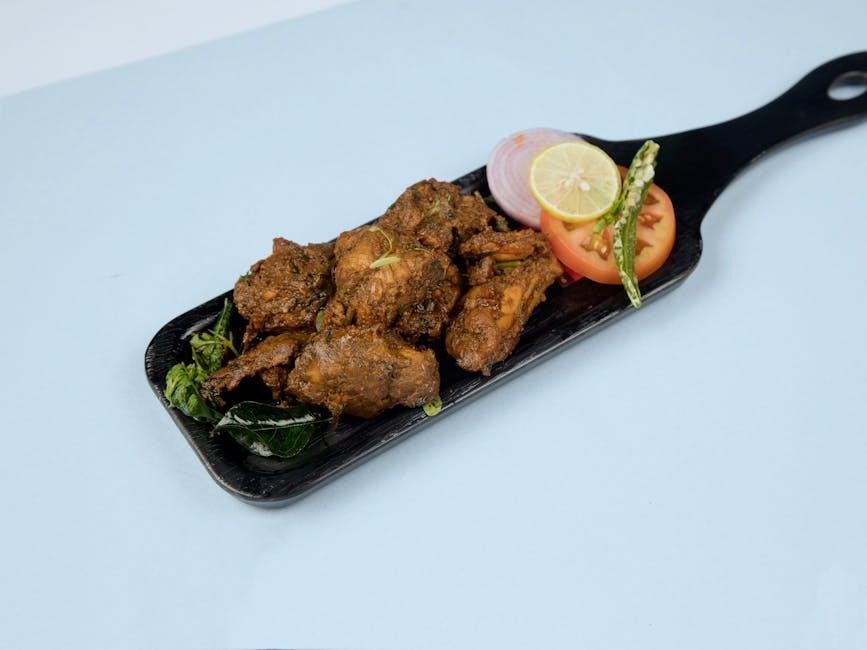
For a traditionally cooked Marie Callender’s Chicken Pot Pie, oven baking is the recommended method. Begin by preheating your oven to 375°F (190°C) – ensuring even cooking is crucial. Remove the pie from its packaging and place it directly onto a baking sheet; this helps catch any potential spills during baking.
Cover the pie loosely with aluminum foil for the initial 30 minutes of cooking. This prevents the crust from browning too quickly, allowing the filling to heat through thoroughly. After 30 minutes, remove the foil and continue baking for an additional 20-25 minutes, or until the crust is golden brown and the filling is bubbling.
A visual cue for doneness is a beautifully browned and flaky crust. Let the pie stand for 5-10 minutes before serving, as the filling will be extremely hot. This brief resting period also allows the filling to set slightly, making it easier to serve and enjoy. Enjoy this comforting classic!
Microwave Cooking: A Quick Option
When time is of the essence, the microwave offers a speedy solution for enjoying a Marie Callender’s Chicken Pot Pie. However, be aware that microwaving will result in a softer, less flaky crust compared to oven baking. Begin by removing the pie from its packaging and placing it on a microwave-safe dish.
Cover the pie loosely with microwave-safe plastic wrap, leaving a small vent to allow steam to escape. Microwave on high for 6-8 minutes, rotating halfway through to ensure even heating. Cooking times may vary depending on your microwave’s wattage, so check frequently.
Carefully remove the pie from the microwave – it will be very hot! Let it stand for 2-3 minutes before serving to allow the filling to settle. While the crust won’t be crispy, this method delivers a warm and satisfying meal in minutes. It’s a perfect quick lunch or dinner option.
Air Fryer Method: For a Crispier Crust
For those craving a delightfully crispy crust, the air fryer is your best friend! This method delivers a texture closer to oven baking, but with increased speed and efficiency. Begin by preheating your air fryer to 350°F (175°C) for a few minutes.
Remove the chicken pot pie from its packaging and place it directly into the air fryer basket. Ensure there’s sufficient space around the pie for proper air circulation. Cook for 18-22 minutes, flipping halfway through to promote even browning and crisping of the crust.
Keep a close eye on the pie during the last few minutes of cooking to prevent burning. Once golden brown and heated through, carefully remove it from the air fryer. Let it cool slightly before serving. This method provides a satisfyingly crunchy crust and a warm, comforting filling – a perfect combination!
Optimizing Your Cooking Experience
Achieve pot pie perfection by preheating your oven correctly and monitoring the crust’s browning. Internal temperature checks guarantee a thoroughly heated, delicious meal every time!
Preheating the Oven: Importance and Temperature
Proper oven preheating is crucial for achieving a consistently golden-brown and flaky crust with your Marie Callender’s chicken pot pie. A cold oven leads to uneven cooking – a soggy bottom and potentially undercooked filling. Allow sufficient time for your oven to reach the recommended temperature before placing the pie inside.
Generally, 375°F (190°C) is the ideal temperature for baking Marie Callender’s chicken pot pie. This ensures the filling heats through completely while the crust bakes to a delightful crispness. Using an oven thermometer is highly recommended to verify accuracy, as oven temperatures can vary.
Don’t rush the preheating process! Give your oven at least 15-20 minutes to fully reach the set temperature. This allows the heating elements to stabilize, guaranteeing even heat distribution. A well-preheated oven is the first step towards a truly satisfying chicken pot pie experience, avoiding frustrating inconsistencies and maximizing flavor.
Crust Browning Techniques
Achieving a beautifully browned crust is a hallmark of a perfect Marie Callender’s chicken pot pie. Several techniques can enhance this crucial element. For deeper color, consider brushing the top crust lightly with melted butter or an egg wash (one egg beaten with a tablespoon of water) before baking. This promotes browning and adds a subtle sheen.
If the crust begins to brown too quickly, tent the pie loosely with aluminum foil during the latter half of the baking time. This shields it from direct heat while allowing the filling to continue cooking. Conversely, if browning is lagging, remove the foil for the final few minutes.

Ensure the oven rack is positioned in the center for even heat circulation. A slightly longer baking time at the recommended temperature can also contribute to a richer, golden-brown crust. Remember, a perfectly browned crust isn’t just about aesthetics; it adds a delightful textural contrast to the creamy filling!
Checking for Doneness: Internal Temperature
Ensuring your Marie Callender’s chicken pot pie is thoroughly heated is vital for both safety and enjoyment. While a golden-brown crust is a good visual indicator, relying solely on appearance isn’t sufficient. The most reliable method is to check the internal temperature of the filling.
Use a food thermometer inserted into the center of the pie, avoiding the crust. The filling should reach a minimum internal temperature of 165°F (74°C) to ensure any potentially harmful bacteria are eliminated. This guarantees a safe and satisfying meal.
If the pie hasn’t reached 165°F, continue baking in 5-10 minute increments, rechecking the temperature each time. Remember that microwave cooking may result in uneven heating, so thorough temperature checks are even more crucial. A properly heated pie will have a bubbly, thickened filling and a flaky, golden crust.

Variations and Customization
Elevate your Marie Callender’s experience! Add extra veggies, adjust spices to your liking, or pair with a fresh salad for a complete, personalized meal.
Adding Vegetables: Enhancing the Filling
Marie Callender’s chicken pot pie is delicious as is, but feel free to boost its nutritional value and flavor profile with added vegetables. Consider incorporating frozen peas and carrots – a classic pairing that complements the creamy sauce beautifully. Diced potatoes, either Yukon Gold or Russet, add heartiness and texture. For a more sophisticated touch, try adding sliced mushrooms, chopped celery, or even green beans.
When adding vegetables, it’s best to do so during the baking process, approximately halfway through, to ensure they cook through without becoming mushy. About one to two cups of mixed vegetables is a good starting point, adjusting to your preference. Pre-cooking harder vegetables like potatoes slightly can help them reach the desired tenderness. Don’t be afraid to experiment with different combinations to discover your perfect pot pie!
Remember to distribute the added vegetables evenly throughout the filling for a consistent and flavorful bite in every spoonful.
Spice Adjustments: Personalizing the Flavor
Marie Callender’s chicken pot pie provides a comforting base flavor, but customizing the spices allows you to truly make it your own. A dash of black pepper can enhance the savory notes, while a pinch of garlic powder adds depth. For a subtle warmth, consider a quarter teaspoon of paprika or a tiny sprinkle of cayenne pepper – be cautious with the cayenne!
Herbs are also fantastic additions. Dried thyme or rosemary complement the chicken and vegetables beautifully. If you enjoy a brighter flavor, a sprinkle of dried parsley can add freshness. Experiment with Italian seasoning for a more complex herbal blend.
Add spices gradually, tasting as you go, to avoid overpowering the existing flavors. A little goes a long way! Remember, personal preference is key – adjust the seasoning until it perfectly suits your palate.
Serving Suggestions: Complementary Sides
Marie Callender’s chicken pot pie is a complete meal in itself, but thoughtfully chosen sides can elevate the dining experience. A simple green salad with a light vinaigrette provides a refreshing contrast to the richness of the pie. Steamed or roasted green beans offer a healthy and vibrant accompaniment, adding a touch of color to the plate.
For a heartier meal, consider a side of mashed potatoes – a classic pairing that complements the creamy filling. Alternatively, a crusty roll or slice of bread is perfect for soaking up any leftover sauce. A light coleslaw can also cut through the richness, offering a cool and crunchy texture.
Don’t forget a beverage! Iced tea, lemonade, or a crisp white wine pair well with chicken pot pie. Enjoy!
Troubleshooting Common Issues

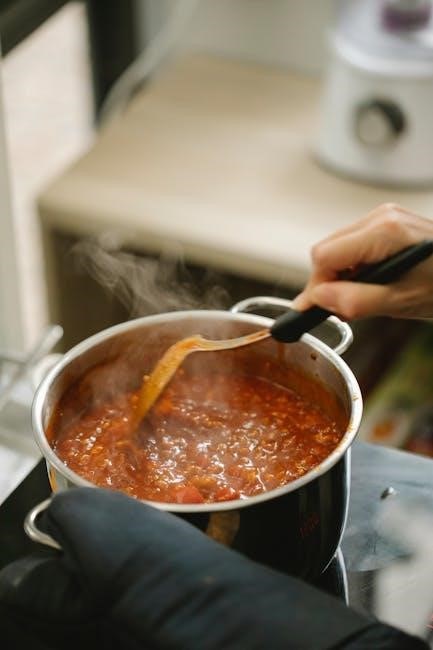
Marie Callender’s pot pies are generally easy to prepare, but occasional issues like soggy crusts or runny fillings can occur; Simple fixes exist for perfect results!
Soggy Crust Prevention
A common complaint with frozen pot pies is a soggy bottom crust. Several factors contribute to this, and thankfully, there are preventative measures you can take. First, ensure your oven is properly preheated – a hot oven helps set the crust quickly. Placing the pie directly on the oven rack, rather than a baking sheet, promotes air circulation underneath, aiding in crisping.
Some cooks suggest brushing the crust with an egg wash before baking; this creates a barrier against moisture. Another trick is to bake the pie for a portion of the cooking time covered with foil, then remove the foil for the final 15-20 minutes to allow the crust to brown and crisp up. Avoid overcrowding the oven, as this can reduce airflow. Finally, letting the pie rest for a few minutes after baking allows the filling to set slightly, preventing it from immediately soaking into the crust when sliced.
Uneven Cooking Solutions
Experiencing an unevenly cooked Marie Callender’s chicken pot pie – where the center is cold while the edges are burnt – is frustrating, but solvable. The primary culprit is often inconsistent oven temperature. Verify your oven’s accuracy with an oven thermometer. Rotating the pie halfway through the baking process ensures all sides receive equal heat exposure.
If the crust browns too quickly, tent the pie loosely with aluminum foil. For microwave cooking, stir the filling halfway through to distribute heat. Air frying can also lead to unevenness; ensure the pie isn’t overcrowded in the basket and flip it midway. If using a convection oven, reduce the temperature slightly and monitor closely. Allowing a longer resting period post-cooking can also help equalize the temperature throughout the pie, ensuring a consistently warm and enjoyable experience.
Filling Too Runny: Thickening Methods
A runny filling in your Marie Callender’s chicken pot pie can detract from the comforting experience. Fortunately, several methods can remedy this. If the issue arises during baking, extending the cook time, uncovered, allows more moisture to evaporate. However, avoid excessive baking, which can burn the crust.
For a post-cook fix, a cornstarch slurry – one tablespoon of cornstarch mixed with two tablespoons of cold water – can be gently stirred into the simmering filling. Allow it to cook for a few minutes until thickened. Alternatively, a tablespoon of flour mixed with cold water can achieve a similar result. Be cautious not to over-thicken, as this can create a paste-like consistency. A small amount of mashed potato can also subtly thicken and enrich the flavor. Remember to stir gently to avoid disrupting the crust.